

Buy Tramadol 180 mg PO
Price range: € 285,00 through € 580,00
Buy Tramadol 180 mg PO products from our authorized Pharmacy in Canada
Description
Buy Tramadol 120 mg PO
| Drug name: | Tramadol / Ultram |
| Dosage: | 120–200 mg |
| Packaging: | 30 to 360 tablets |
| Payment method: | VISA, MASTERCARD, Bitcoin |
| Shipment: | DHL, FedEx |
| Order online: | Order online |
What are the common side effects that can occur when taking tramadol, and how often do they occur?
Why does the risk of side effects increase with prolonged or high-dose use of tramadol?
In which dosage forms is tramadol available and how do the areas of application differ?
Tramadol: Effects, Uses and Important Information
What is Tramadol?
Tramadol is not a new drug, yet it remains controversial. Some experts classify it as potentially addictive, while others see it as an effective painkiller that, in controlled doses, helps many patients.
Tramadol acts primarily on the central nervous system and has a strong pain-relieving effect with rapid and long-lasting effectiveness.
Areas of application
Tramadol is used in medicine for:
- Moderate intensity pain in tumor diseases
- acute myocardial infarction
- Injuries and trauma
- diagnostic and therapeutic interventions
- Neuralgia
Advantages over other painkillers
When prescribed correctly, tramadol offers several benefits:
- longer duration of action, usually only needs to be taken twice a day
- consistent drug levels in the blood, thus better control of chronic pain
- Avoidance of pain peaks and lower risk of early side effects
Tramadol for neuralgia
Tramadol is particularly commonly used for cancer pain and neuralgia. A typical form is intercostal neuralgia. It manifests as burning, stabbing pain in the chest, which can also radiate to the heart area, back, or shoulder blade. Causes include injuries, toxins, infections, or certain medications.
Tramadol is considered effective and well-tolerated, but should only be taken under medical supervision and with a prescription. Because addiction is possible, patients with chronic pain, alcohol or drug abuse, and healthcare workers are considered at-risk groups.
Contraindications and caution
Tramadol should not be used if:
- Hypersensitivity to the active ingredient
- severe respiratory depression or central nervous system disorders (e.g. poisoning by alcohol or sleeping pills)
- concomitant use of MAOIs or within two weeks of discontinuation
- Children under 14 years
Side effects can include physical and psychological dependence. An overdose is life-threatening. Long-term use can damage internal organs, especially the liver.
Tramadol during pregnancy and breastfeeding
- Capsules : Safe use during pregnancy has not been proven. In exceptional cases, use is possible during the second or third trimester under strict medical supervision.
- Injections : only for vital indications, preferably as a single dose.
- Suppositories : contraindicated in pregnancy and breastfeeding.
- Tablets : avoid prolonged use, as withdrawal symptoms may occur in the newborn.
During breastfeeding, a small amount passes into breast milk, so special care is required.
Children and young people
Tramadol is intended for adults and is not approved for children under 14 years of age. Only in very rare exceptional cases can capsules be administered to young children under hospital supervision.
Dosage forms
Tramadol is available as:
- Tablets
- Capsules
- drops
- Ampoules (injections)
- Rectal suppositories
Tramadol 100mg (DE) 60 Tab.
270.00 €
Tramadol 100mg (DE) 90 Tab.
344.00 €
Tramadol 100mg (AT) 120 Tabl.
417.00 €
Tramadol 100mg (AT) 180 Tabl.
565.00 €
Tramadol 100mg (CH) 240 Tabl.
713.00 €
Tramadol: Uses, dosage and important information
Tramadol in combination with other painkillers
Tramadol is also a component of various combination preparations for pain therapy. It is a central analgesic and is used in modern medicine for both acute and chronic pain syndromes.
Depending on the situation, absorption can occur in different ways: orally, rectally, sublingually, or by injection. Regardless of the form, the active ingredient enters the bloodstream after absorption and exerts its effect there.
Prescription requirement and availability
The World Health Organization (WHO) recommends non-opioid analgesics for mild pain. Tramadol is used for moderate to severe pain.
Unlike many traditional opioid agonists, tramadol is considered less addictive. Therefore, it is not classified as strictly in international regulations as morphine or oxycodone. Nevertheless, it remains a prescription drug in most countries.
Tramadol is therefore only available in pharmacies with a prescription. Generic medications can be ordered from approved online pharmacies, but they should always be taken after consulting a doctor. Self-medication without medical supervision is risky.
Tramadol dosage: Recommendations according to dosage form
Capsules
- Starting dose : 50 mg (1 capsule), take with liquid, regardless of meals.
- If no effect occurs after 30–60 minutes, another capsule can be taken.
- In case of severe pain, the single dose can be increased to 100 mg (2 capsules).
- Maximum dose per day : 400 mg (8 capsules).
- For tumor pain or in the postoperative area, daily doses of up to 600 mg may be necessary.
- Special considerations : In elderly patients (75 years and older), the daily dose is reduced to 300 mg, and the dosing intervals may be extended. In cases of renal or hepatic impairment, the dose should be adjusted or the intervals increased.
Injections
- Administration intravenously (slowly), intramuscularly or subcutaneously.
- Adults and adolescents aged 14 years and over: 50–100 mg per dose.
- If there is no sufficient effect after 30–60 minutes, an additional 50 mg may be taken.
- In case of severe pain, you can start immediately with 100 mg.
- Usual maximum daily dose: 400 mg. In exceptional cases (e.g., cancer pain), higher doses are possible under medical supervision.
Rectal suppositories
- Adults and adolescents aged 14 years and over: 1 suppository (100 mg).
- Duration of effect: 4–8 hours.
- Maximum daily dose: 400 mg (4 suppositories).
- A different dosage regimen may be required for cancer pain.
Tablets
- Adults and adolescents aged 14 years and over: Starting dose 50 mg (1 tablet).
- If the effect is not felt after 30–60 minutes, take another tablet.
- For severe pain, a single dose of up to 100 mg (2 tablets).
- The effect lasts 4–8 hours depending on the intensity of the pain.
- Maximum daily dose : 400 mg (8 tablets).
- Not suitable for children under 14 years of age or with a body weight of less than 25 kg.
Summary
Tramadol is a highly effective painkiller used for moderate to severe pain. It is a prescription drug, should only be used under medical supervision, and requires individualized dosing. The maximum daily dose of 400 mg should not be exceeded unless specifically prescribed by a doctor (e.g., for cancer pain).
Tramadol: Side effects, warnings and precautions
Intake and duration of treatment
The duration of treatment with tramadol is determined individually by the treating physician.
Tablets can be swallowed whole with sufficient liquid – regardless of meals – or dissolved in half a glass of water before consumption.
Common side effects of Tramadol
Patients receiving tramadol should be informed about possible side effects and precautions. If in doubt, consult your doctor or pharmacist.
The most commonly observed reactions include:
- dizziness
- nausea
- constipation
- Headaches (in 15–30% of patients)
- Vomit
- itching
- Tiredness or weakness
- increased sweating
- Indigestion
- dry mouth
- Diarrhea (in 5.5–15% of patients)
About 5% of patients also report:
- Weight loss
- Drop in blood pressure or tachycardia
- Paresthesia (tingling sensations)
- Hallucinations
- Tremble
- abdominal pain
- Visual disturbances
- urinary retention
The frequency of side effects increases with the duration of treatment and at higher doses. Long-term and high-dose use can lead to addiction.
Side effects with rectal and oral use
Tramadol suppositories and tablets can also cause similar side effects, especially:
- dizziness
- nausea
- constipation
- Headache
- Vomit
- itching
Less common (< 5%):
- Weight loss
- Hypotension or tachycardia
- depressive moods after prolonged use
Allergic reactions are rare but possible. All side effects should be reported to your doctor.
General information on side effects
In principle, any medication can cause side effects—especially at maximum doses, with long-term use, or in combination with other medications. Individual intolerances are also possible. If symptoms occur, discontinue use and consult a doctor.
Tips for safe use at home
It is safest to take the medication under medical supervision. If this is not possible, the following rules should be observed:
- Do not take alcohol or other sedative substances together with tramadol – the risk of overdose increases significantly.
- Avoid overdose : Taking large amounts at once can be fatal. Separate doses and drink plenty of water.
- Nutrition and fluids : balanced diet and plenty of water support the body during therapy.
- Avoid injections : if tramadol is injected, use only sterile disposable instruments.
Conclusion
Tramadol is an effective and safe painkiller when used correctly. The risks of side effects and addiction remain low as long as medical instructions are followed. In case of serious symptoms or suspected overdose, medical attention should be sought immediately.
Additional information
| quantity | 100 Tabs, 200 Tabs, 300 Tabs |
|---|
Related products
-
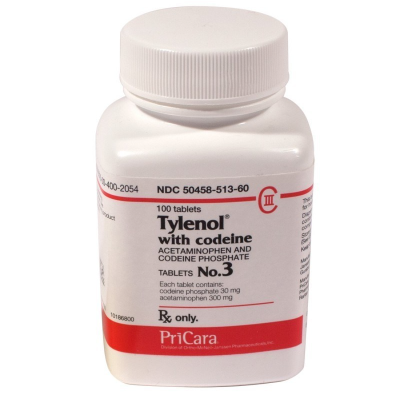
Acetaminophen with codeine
Price range: € 280,00 through € 520,00 Select options This product has multiple variants. The options may be chosen on the product page -
Propecia Finasteride 5mg Tablets
Read more -

Dilaudid (hydromorphone) 8 mg 100 tablets
Read more -
Naltrexone Hydrochloride 30 mg Tablets
Price range: € 260,00 through € 320,00 Select options This product has multiple variants. The options may be chosen on the product page
Reviews
There are no reviews yet.